


The Terroir Atlas
Mapping the Cradle of Wine
Türkiye’s wine geography is a complex tapestry of micro-climates, spanning from the humid, maritime air of the Aegean to the harsh, continental plateaus of Eastern Anatolia. Unlike the monolithic wine regions of the New World, Anatolia offers a mosaic of terroirs—volcanic ash, limestone, iron-rich clay, and sea-salted breezes. To understand Anatolian wine, one must travel through its seven distinct regions, each harboring secrets that have been fermenting for over seven millennia.
The Seven Pillars of Anatolian Viticulture
Navigate through the primary wine-producing clusters of Türkiye. Each link below takes you to a deep-dive journey into the heart of these historical landscapes.
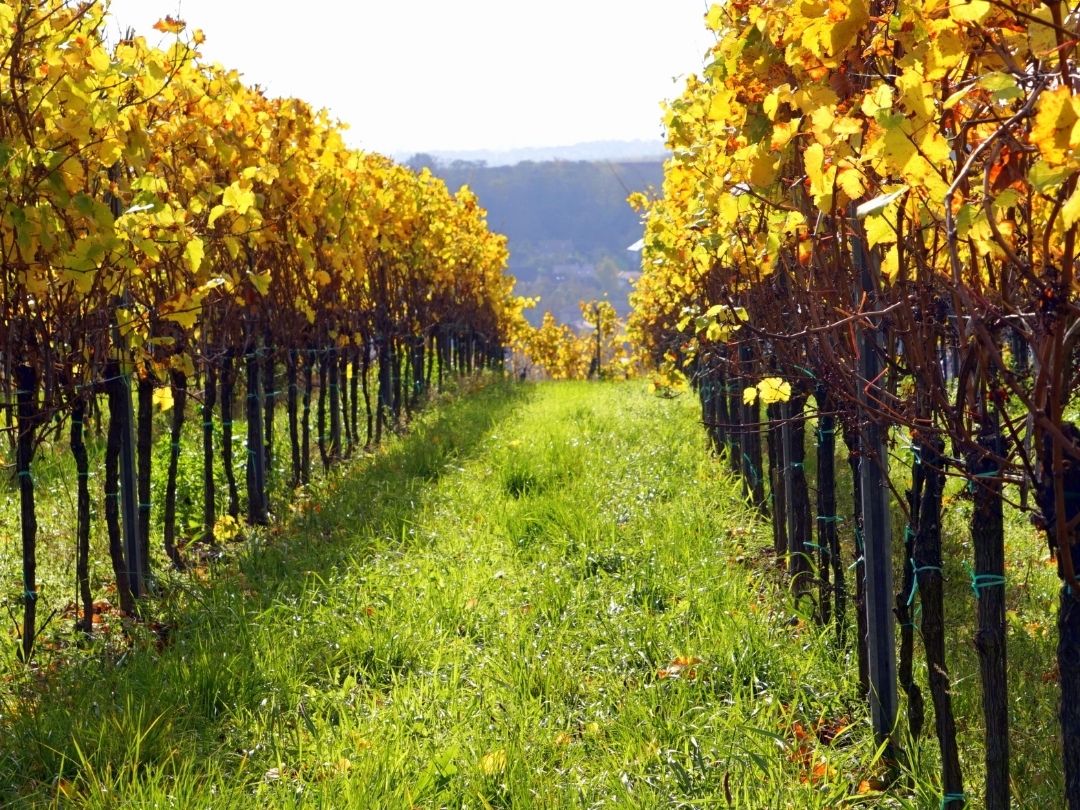

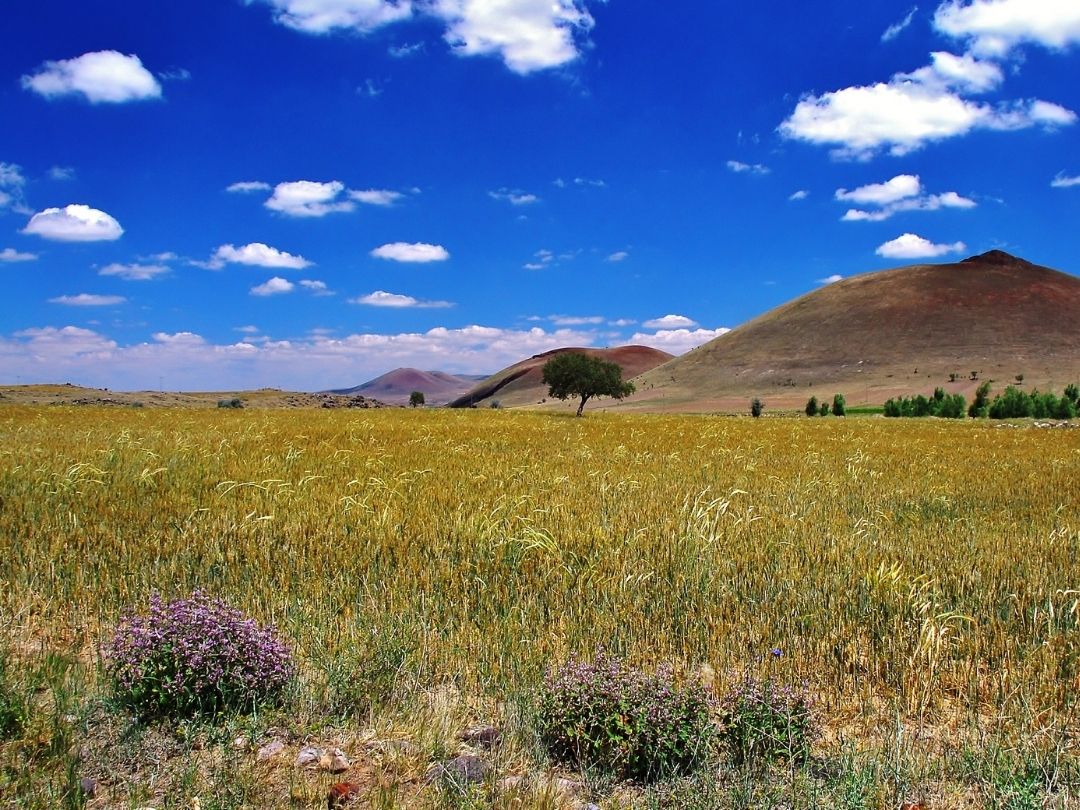

The Mediterranean wine region of Türkiye is famous for its "Terra Rossa"—a reddish clay soil produced by the weathering of limestone. This specific soil type is rare globally and is the secret behind the vibrant color and intense mineral structure of wines produced in the Taurus foothills.
Enrich Your Exploration

Four Seasons:
Bosphorus, Perfected


Garenta: Discover More of Istanbul
the landmarks; experience the
real city. Garenta offers the freedom to discover Istanbul's hidden treasures at your own pace.

Soil, Climate & Character
Understanding the viticultural success of a region requires looking at the synergy between its climate and geology. This matrix provides an overview of how Anatolia’s diverse landscapes dictate the style of the wines produced.
| Region | Climate Type | Dominant Soil | Primary Grape Focus | Wine Style |
|---|---|---|---|---|
| Thrace | Maritime / Continental | Sand, Limestone & Clay | Bordeaux Blends & Papaskarası | Structured, elegant reds |
| Aegean | Mediterranean | Alluvial & Limestone | Bornova Misketi & Cabernet | Aromatic whites, bold reds |
| Central Plateau | Harsh Continental | Volcanic Tuff & Sand | Emir & Kalecik Karası | Mineral-driven, crisp profiles |
| Eastern Anatolia | Arid Continental | Red Clay & Iron Oxide | Öküzgözü & Boğazkere | High-tannin, dark fruit power |
| Mediterranean | High-Altitude Alpine | Terra Rossa (Limestone) | International & Local Blends | Fresh acidity, vibrant color |
Regional Signatures
Every Anatolian region has a “master grape” that defines its viticultural identity. These are the grapes that have reached their peak expression within these specific geographic boundaries.
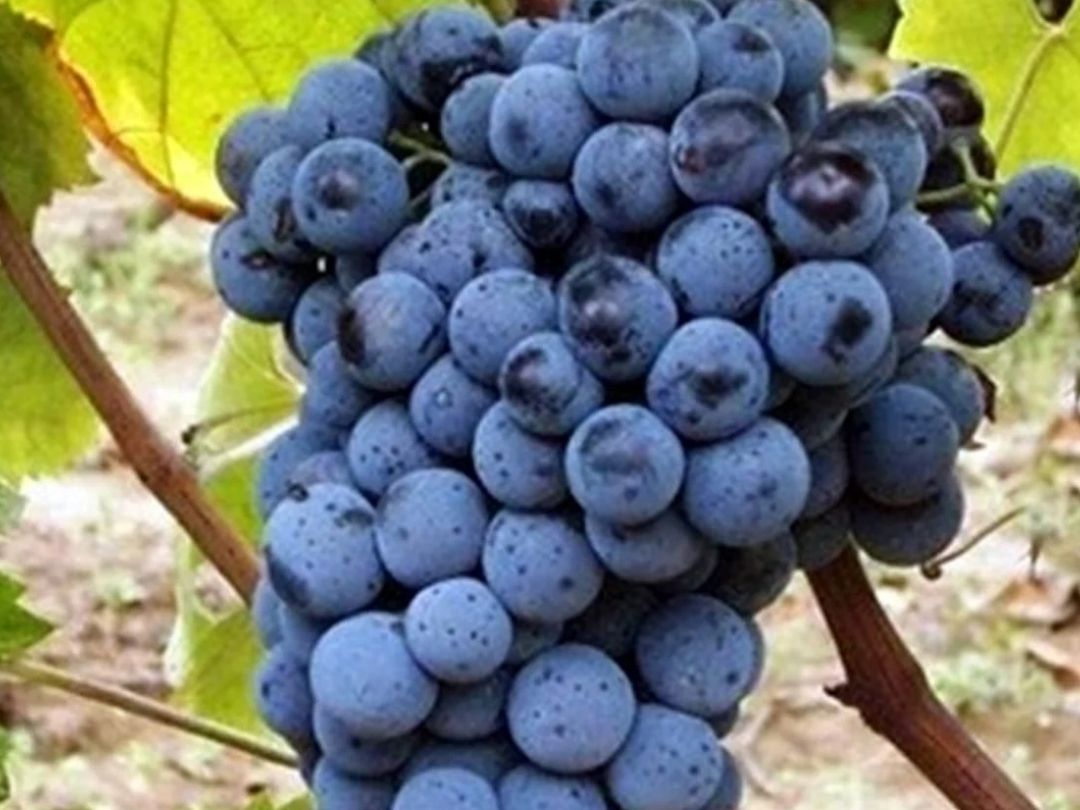 Thrace
Papaskarası: A legendary ancient Thracian grape, producing high-acid, fruity reds with immense elegance.
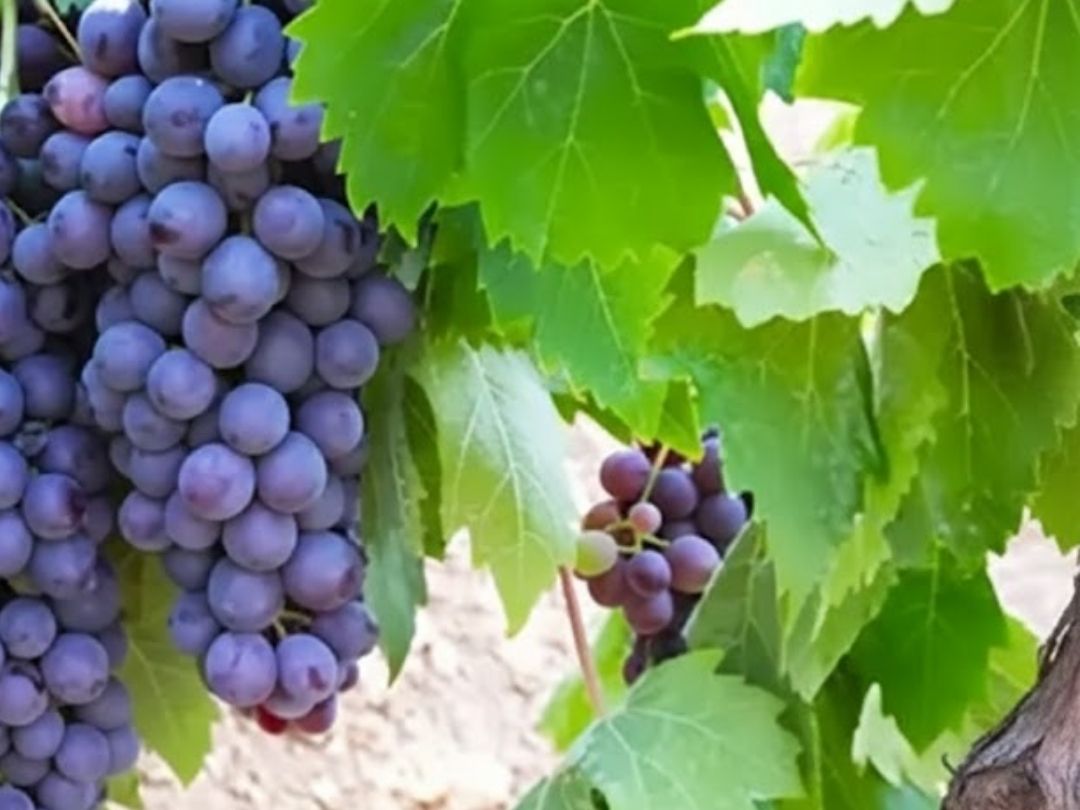 Aegean
Çalkarası: The star of Denizli. Unique for its refreshing acidity, primarily used for world-class rosés.
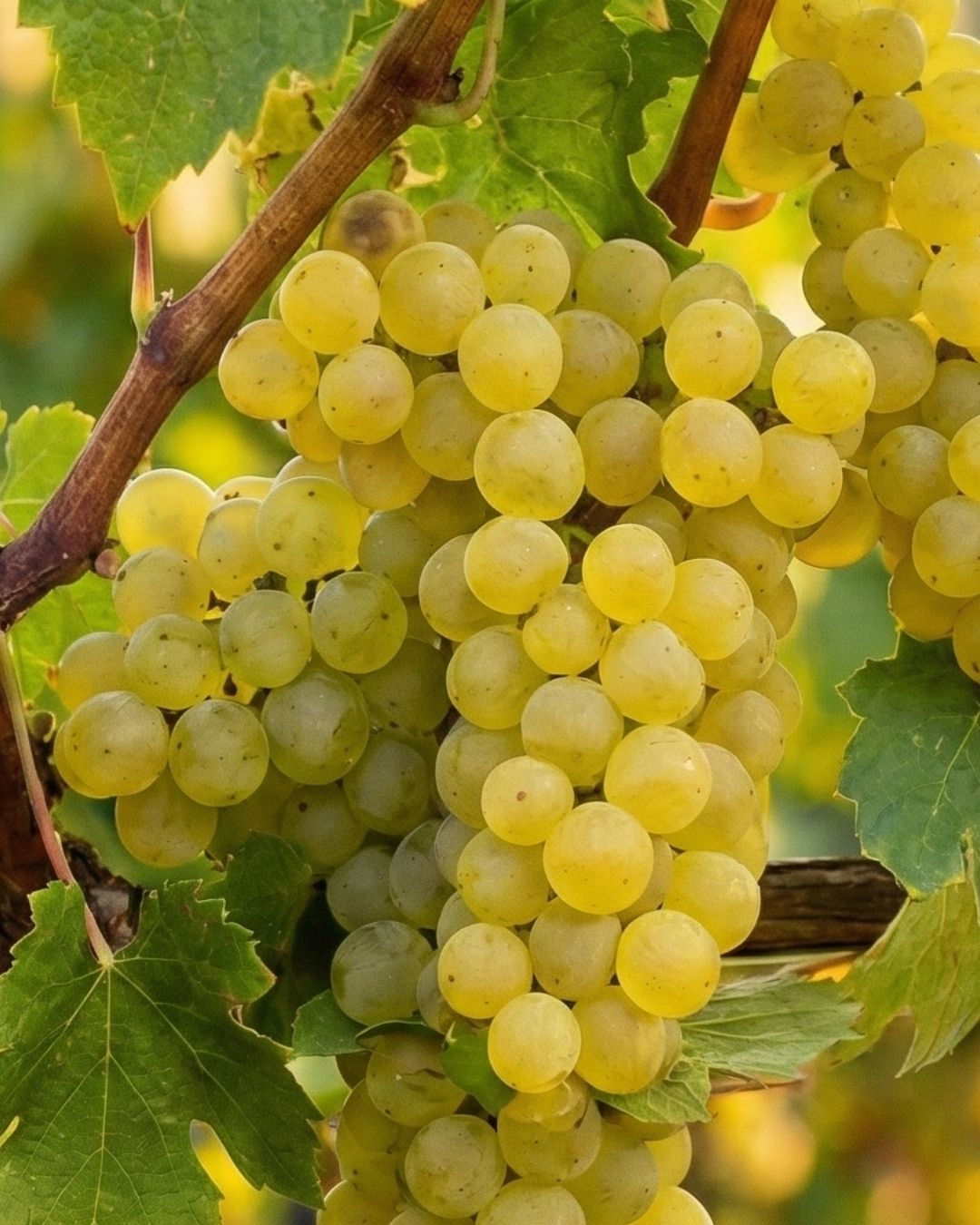 Central
Emir: Cappadocia’s white jewel. It thrives in volcanic tuff, offering crisp, mineral-forward notes.
 South East
Boğazkere: Born in the iron-rich clay of Mesopotamia. The most tannic and powerful red of Anatolia.
Journey with Confidence
Acıbadem Hospitals Group: Global Excellence in Healthcare
While you immerse yourself in the rich history of Istanbul, your well-being is protected by a future-focused healthcare leader. Acıbadem provides world-class medical services, from comprehensive health screenings to advanced treatments, all delivered with a commitment to your safety and comfort.
Travel with the assurance that you and your loved ones are in the most capable hands.

FAQ: Frequently Asked Questions about Regions of Anatolian Wines
Which region is the oldest in terms of winemaking?
Eastern Anatolia and the South-East (Upper Mesopotamia) are considered the archaeological birthplace of viticulture, with traditions dating back to the Neolithic period.
What is the best time of year to visit Turkish wine regions?
The “Harvest Season” (Bağ Bozumu) in September and October is the most vibrant time, offering festivals and a chance to see the production process live.
Does the proximity to the sea affect the taste of Aegean wines?
Yes, the “İmbat” (sea breeze) provides a cooling effect that slows down the ripening process, allowing grapes to develop complex aromas without losing their vital acidity.
Which region produces the most wine in Türkiye?
Historically, the Aegean and Thrace regions account for the highest volume of production due to their favorable climate and concentration of boutique wineries.
Are there any mountain-grown wines in Türkiye?
Yes, the Mediterranean region, particularly the slopes of the Taurus Mountains (Elmalı), is famous for high-altitude viticulture producing elegant, cool-climate wines.
