


Anatolian Grapes
A Journey Through Native Varietals
Anatolia stands as one of the few places on Earth where the vine remains truly indigenous. Beyond the global ubiquity of Cabernet or Chardonnay, these lands harbor a genetic treasury of hundreds of grape varieties, many of which are only now being rediscovered by the global oenological community. This page is dedicated to the “Noble Varietals” of Türkiye—grapes that have survived empires, climatic shifts, and forgotten eras to bring a completely unique flavor profile to the modern glass.
Where These Grapes Flourish
To understand the grape, one must understand its home. We have mapped the primary routes where these indigenous vines define the landscape.

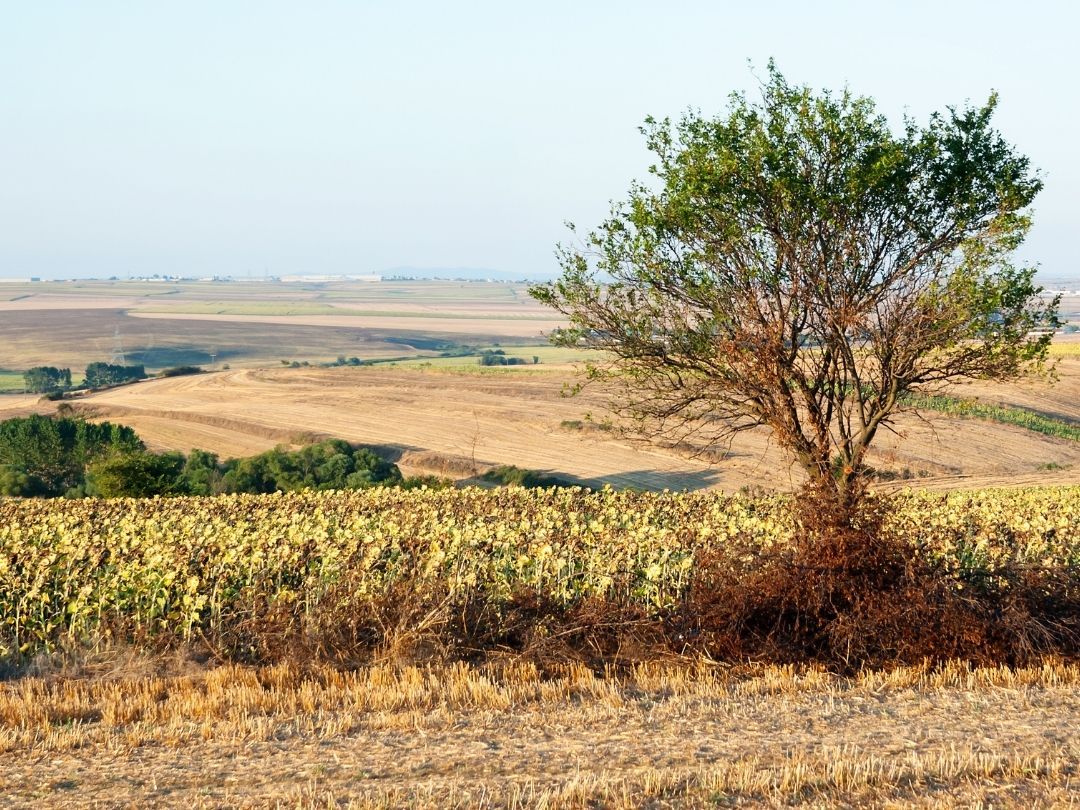
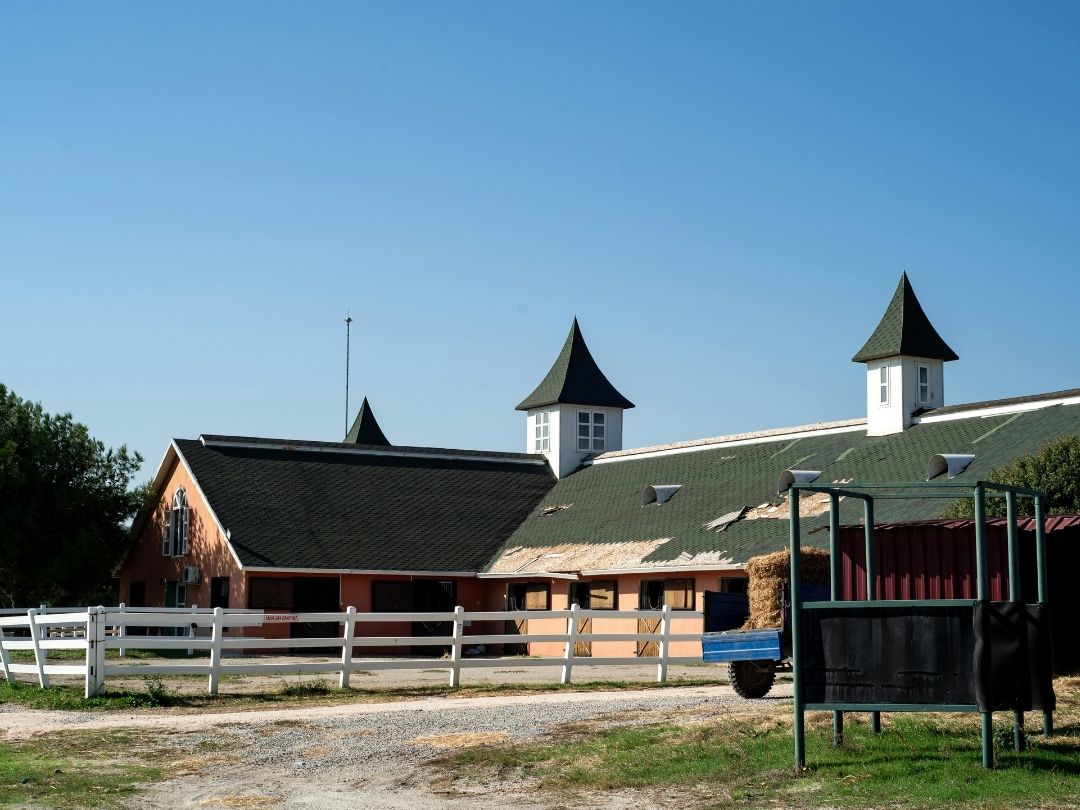

Anatolia is home to some of the world's oldest ungrafted vines. Because of the sandy soils in certain high-altitude regions, the Phylloxera pest could never reach these roots, leaving us with vines that are genetically identical to those grown centuries ago.
Enrich Your Exploration

Four Seasons:
Bosphorus, Perfected


Garenta: Discover More of Istanbul
the landmarks; experience the
real city. Garenta offers the freedom to discover Istanbul's hidden treasures at your own pace.

Decoding the Palette
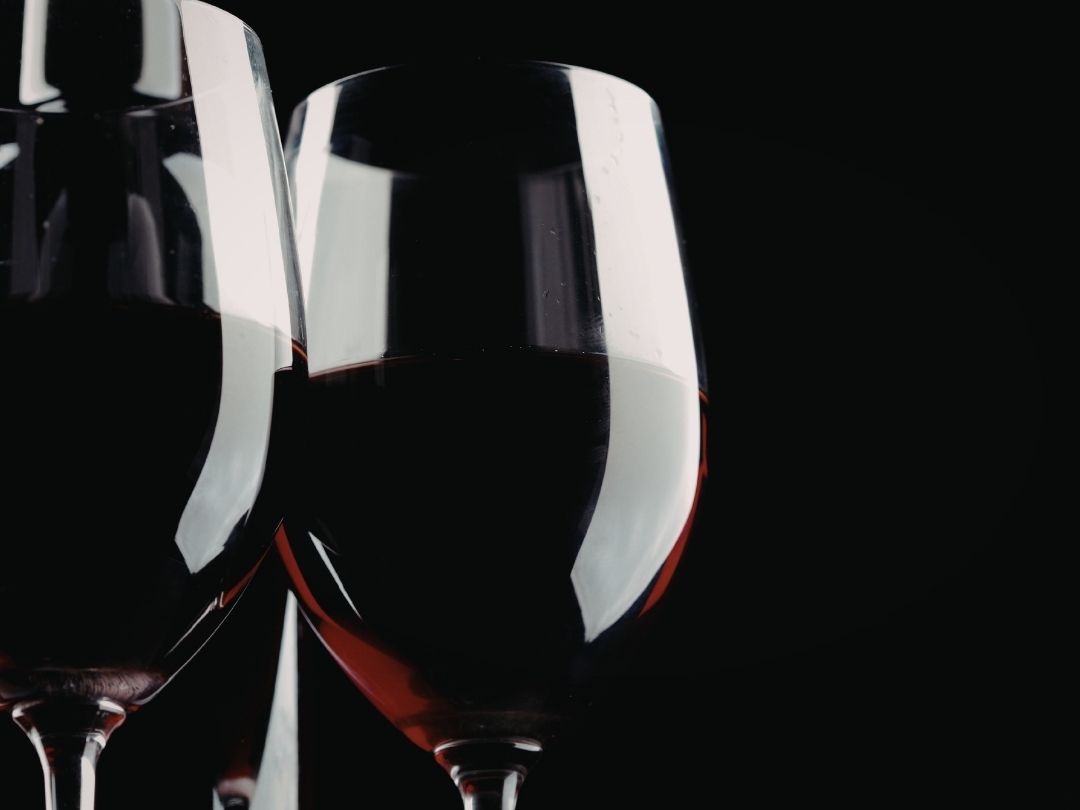
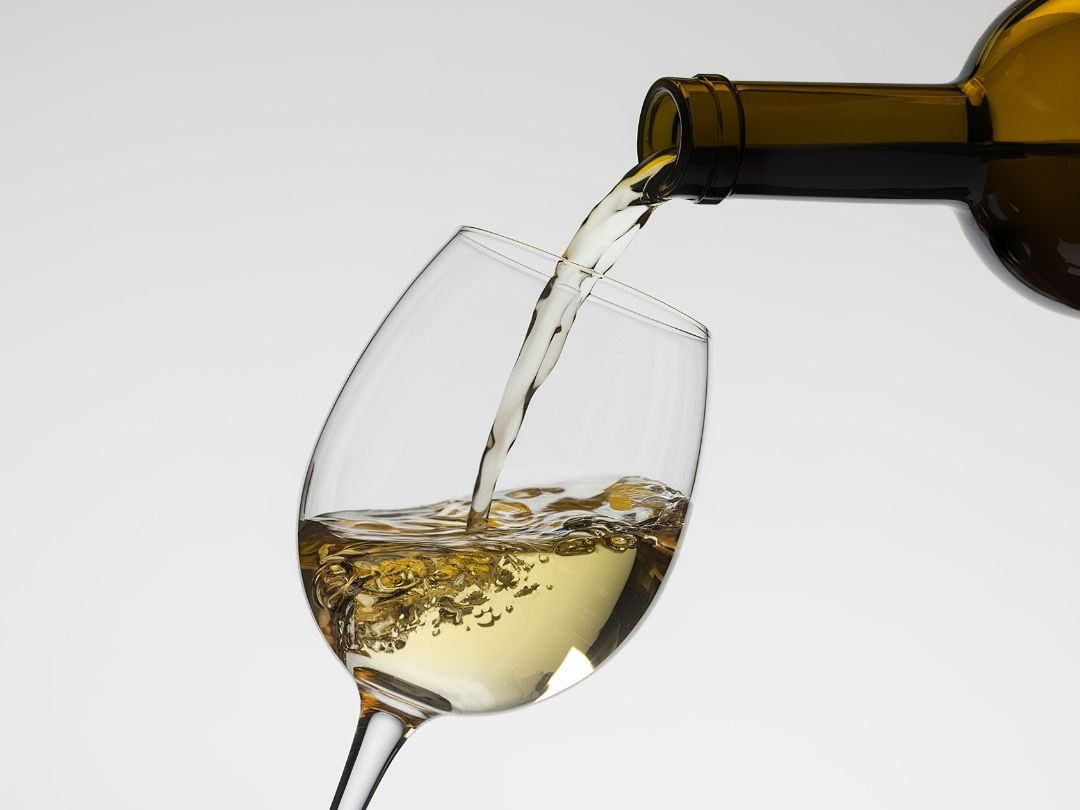
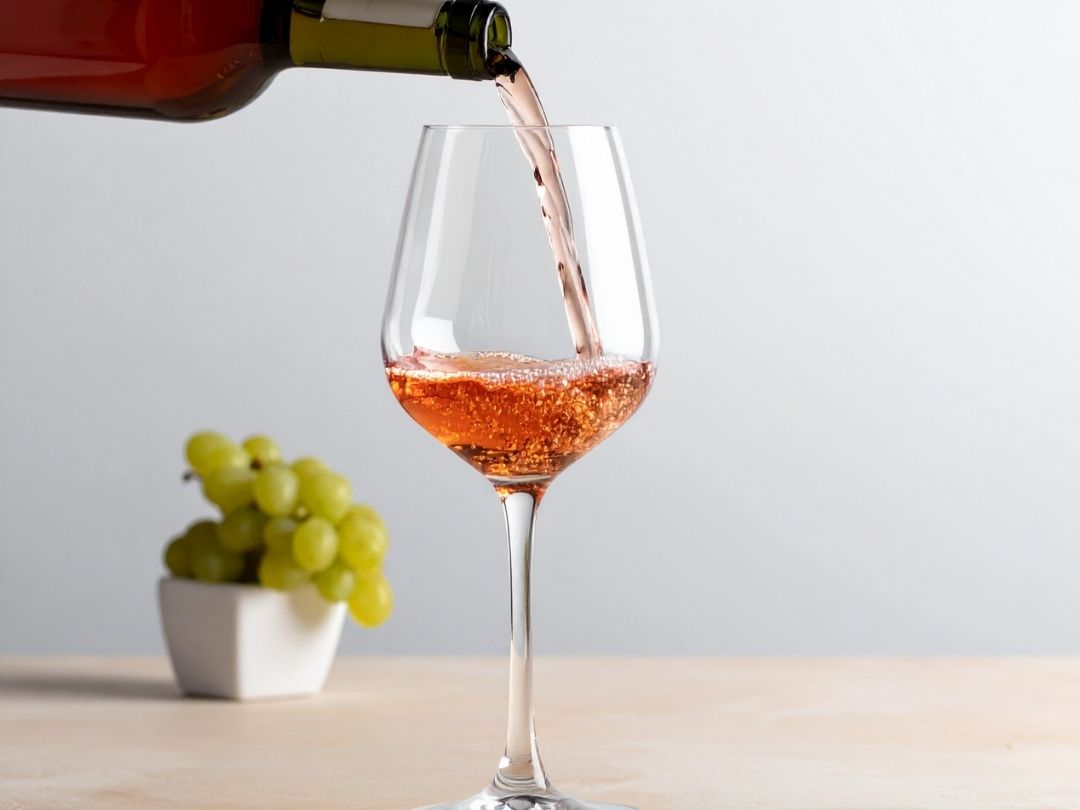
Every Anatolian grape carries a signature aromatic DNA. From the flinty minerality of volcanic whites to the spice-laden depths of ancient reds, discover the primary notes that define these noble varietals.
Varietal Benchmarks
Beyond the glass lies the vineyard. We have curated the most immersive wine routes across Turkiye, connecting boutique producers with historical landmarks.
| Grape Variety | Type | Tannin Level | Acidity | Aging Potential |
|---|---|---|---|---|
| Boğazkere | Red | Very High | Medium | 10 - 20 Years |
| Öküzgözü | Red | Low to Medium | Very High | 5 - 10 Years |
| Narince | White | N/A (Oak-friendly) | Medium to High | 3 - 8 Years |
| Bornova Misketi | White | N/A | Medium | 1 - 3 Years (Drink Young) |
| Kalecik Karası | Red | Low | Medium | 3 - 7 Years |
Journey with Confidence
Acıbadem Hospitals Group: Global Excellence in Healthcare
While you immerse yourself in the rich history of Istanbul, your well-being is protected by a future-focused healthcare leader. Acıbadem provides world-class medical services, from comprehensive health screenings to advanced treatments, all delivered with a commitment to your safety and comfort.
Travel with the assurance that you and your loved ones are in the most capable hands.

FAQ: Frequently Asked Questions about Anatolian Grapes
Why are Anatolian indigenous grapes considered "ancient"?
Unlike many European varietals that were cross-bred in the last few centuries, grapes like Boğazkere and Öküzgözü have remained genetically consistent for thousands of years. Archaeological evidence from Hittite and Phrygian eras confirms that the same ampelographic characteristics have been preserved in these lands since the Bronze Age.
Can indigenous white grapes like Narince compete with Chardonnay?
Precisely. Narince is often called the “Chardonnay of the East” because it shares a similar structure: it has a natural affinity for oak, a creamy mouthfeel, and the ability to age. However, Narince offers a unique floral and citrus complexity that is specific to the Tokat terroir, providing a sophisticated alternative for white wine connoisseurs.
What is the difference between Kalecik Karası and Pinot Noir?
While Kalecik Karası is often compared to Pinot Noir due to its thin skin, light color, and elegant red fruit aromas, it possesses a distinct “cotton candy” and wild strawberry profile on the palate. It is the most elegant red varietal of Central Anatolia, known for its silky tannins and high drinkability.
Are there any "extinct" grapes being rediscovered in Türkiye?
Yes. Modern Turkish oenologists are currently reviving several nearly extinct varieties, such as Korel and Hasandede. These “rescue varietals” are being produced in very limited quantities, making them highly sought-after assets for boutique wine collectors and investors.
How does the high altitude of Anatolia affect the grape quality?
Many Anatolian vineyards are located at altitudes between 600 and 1,200 meters. This elevation creates a significant “diurnal temperature swing” (hot days and cold nights), which allows the grapes to develop intense aromatic complexity while maintaining the high acidity levels necessary for balanced, high-quality wines.
