


Sip from the Ancient Vines of Anatolia
Journey to the birthplace of viticulture, where the Hittites and Phrygians first cultivated the grape. Discover the unique terroir of Anatolia and the indigenous grapes that have been producing liquid gold for seven millennia.








Anatolian Wines
The Genesis of Viticulture
Anatolia is not just a region; it is the cradle where the vine first met the sun and the soil. For seven millennia, these lands have nurtured a viticultural tradition that predates modern borders and definitions. Today, Anatolian Wines represents a sophisticated revival—a bridge between ancient indigenous grapes and contemporary oenological mastery. From the volcanic soils of Cappadocia to the sun-drenched hills of the Aegean, we invite you to uncork the stories of the world’s most resilient and diverse terroir.
Where History Ferments
From the iron-rich soils of Elazığ to the limestone slopes of the Taurus Mountains, explore the micro-climates that give Anatolian grapes their unique identity.

Central Anatolia
The home of Emir grapes and fairy chimneys.

Aegean

Thrace

Eastern Anatolia

Mediterranean

The Hittites, who ruled Anatolia in 1600 BCE, had a highly developed legal code specifically for vineyards. Damaging a neighbor's vine was a serious crime punishable by heavy fines, proving that wine was as much a legal asset then as it is a cultural one today.
Enrich Your Exploration

Four Seasons:
Bosphorus, Perfected


Garenta: Discover More of Istanbul
the landmarks; experience the
real city. Garenta offers the freedom to discover Istanbul's hidden treasures at your own pace.

Legendary Wine Routes
Beyond the glass lies the vineyard. We have curated the most immersive wine routes across Turkiye, connecting boutique producers with historical landmarks.

Cappadocia Vineyard Route: Wines of the Fairy Chimneys
Discover how volcanic ash creates the crisp, mineral-forward Emir and Narince wines in this surreal landscape.

Urla Wine Route: 5 Boutique Wineries You Must Visit
Urla is the rising star of the Aegean, blending modern oenology with ancient viticultural history.

The Thracian Route: 7 Best Producers to Explore
Explore the rolling hills of Thrace, home to world-class Cabernet Sauvignons and local Papaskarası.
Indigenous Varietals
Unlike international varieties found everywhere, these grapes are the true narrators of Anatolia’s 7,000-year wine story. Each sip carries the DNA of a civilization.
 Red / Eastern Anatolia
Öküzgözü
Known as "Bull's Eye" due to its large, dark berries. It yields fleshy, fruit-forward wines with bright acidity and aromas of plum and sour cherry.
 Red / Diyarbakır
Boğazkere
The "Throat Burner." A tannic, powerful grape with immense aging potential. Expect notes of dark chocolate, tobacco, and dried figs.
 White / Tokat
Narince
The "Delicate" one. Anatolia’s answer to Chardonnay. A versatile white that loves oak, offering creamy textures and citrus-floral notes.
Journey with Confidence
Acıbadem Hospitals Group: Global Excellence in Healthcare
While you immerse yourself in the rich history of Istanbul, your well-being is protected by a future-focused healthcare leader. Acıbadem provides world-class medical services, from comprehensive health screenings to advanced treatments, all delivered with a commitment to your safety and comfort.
Travel with the assurance that you and your loved ones are in the most capable hands.

A Year in Anatolia
Wine is an experience defined by the moment. Our seasonal guide helps you navigate the diverse Anatolian terroir through the shifting temperatures and culinary traditions of each season.
| Season | The Vibe | Recommended Varietal | Serving Temp | Ideal Setting |
|---|---|---|---|---|
| Winter | Bold & Hearth | Boğazkere (Diyarbakır) | 18°C | Slow-cooked stews by the fireplace. |
| Spring | Floral & Fresh | Emir (Cappadocia) | 8-10°C | Picnics among blooming almond trees. |
| Summer | Crisp & Coastal | Çalkarası Rosé (Denizli) | 6-8°C | Aegean sunset on a yacht or beach club. |
| Autumn | Earthiness | Öküzgözü (Elazığ) | 16°C | Harvest festivals and mushroom-based dishes. |
FAQ: Frequently Asked Questions about Anatolian Wines
What makes Anatolian wines unique compared to European varieties?
The secret lies in the indigenous grapes (like Emir or Boğazkere) that have adapted to Anatolia’s extreme micro-climates over 7,000 years. These vines often grow in high altitudes and volcanic soils, resulting in a mineral complexity and flavor profile that cannot be replicated in the limestone-dominant soils of Europe.
Can Anatolian red wines be aged like French Bordeaux?
Absolutely. High-tannin varieties such as Boğazkere and certain Öküzgözü-Boğazkere blends have incredible aging potential. When stored in correct conditions, these wines develop sophisticated tertiary notes of leather, tobacco, and dried fruits over 10 to 15 years.
What is the significance of "Volcanic Soil" in Turkish winemaking?
Particularly in Cappadocia, vines grow in “Tuff”—a soil made of volcanic ash. This porous structure forces the roots to go deep for water, imparting a distinct flinty crispness and “salty” minerality to white wines like Emir, making them world-class companions for seafood.
Which Turkish wine region is currently the most "up-and-coming"?
While Thrace and the Aegean are established leaders, the Urla Wine Route and the Elazığ-Malatya corridor are the current rising stars. Urla focuses on boutique, high-tech production, while the East is gaining international acclaim for its ancient, ungrafted “old vines.”
How should I pair Anatolian wines with local cuisine?
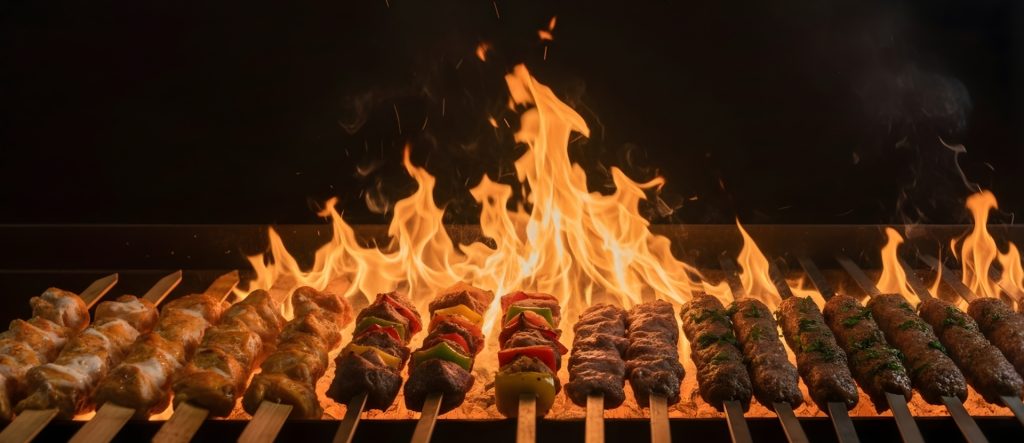
Follow the “Terroir Synergy” rule: Pair the spicy, fatty Adana Kebab with a tannic Boğazkere from the same region. For lighter Aegean olive oil dishes, a chilled Narince or Bornova Misketi provides the perfect floral balance.
